A good winter coat is the most important thing you wear all season. The best winter coats keep you warm on a freezing morning, dry through a wet commute, and comfortable on a long walk at the weekend, and they do it while looking good enough to wear every day. The wrong coat is either too cold, too bulky, or too fragile to last a season. With so many styles on the market, from long puffers to tailored wool coats to waterproof parkas, choosing the right one can feel confusing. This guide compares the main types, what each one is best for, and what to check before you spend your money.
Table of Contents
Best Winter Coats for Cold Commutes
For most people, the daily commute decides the coat. A longline puffer is the most versatile of the best winter coats for cold commutes: a knee-length or mid-thigh puffer traps warmth, and a high collar, adjustable hood and snug cuffs keep drafts out. Down fill is light and very warm in dry cold, while synthetic insulation keeps more warmth when it gets damp and dries faster. The REI Stormhenge 850 Down Hybrid Parka is a good example of the hybrid approach, mixing down and synthetic fill for warmth in real winter conditions. Check the length carefully: a coat that ends at the waist leaves your legs cold, while a coat that reaches the knee protects far more of you. A long puffer is not the most elegant coat, but on a freezing morning it is the one you will be glad you bought.
Best Winter Coats for Work and Smart Outfits
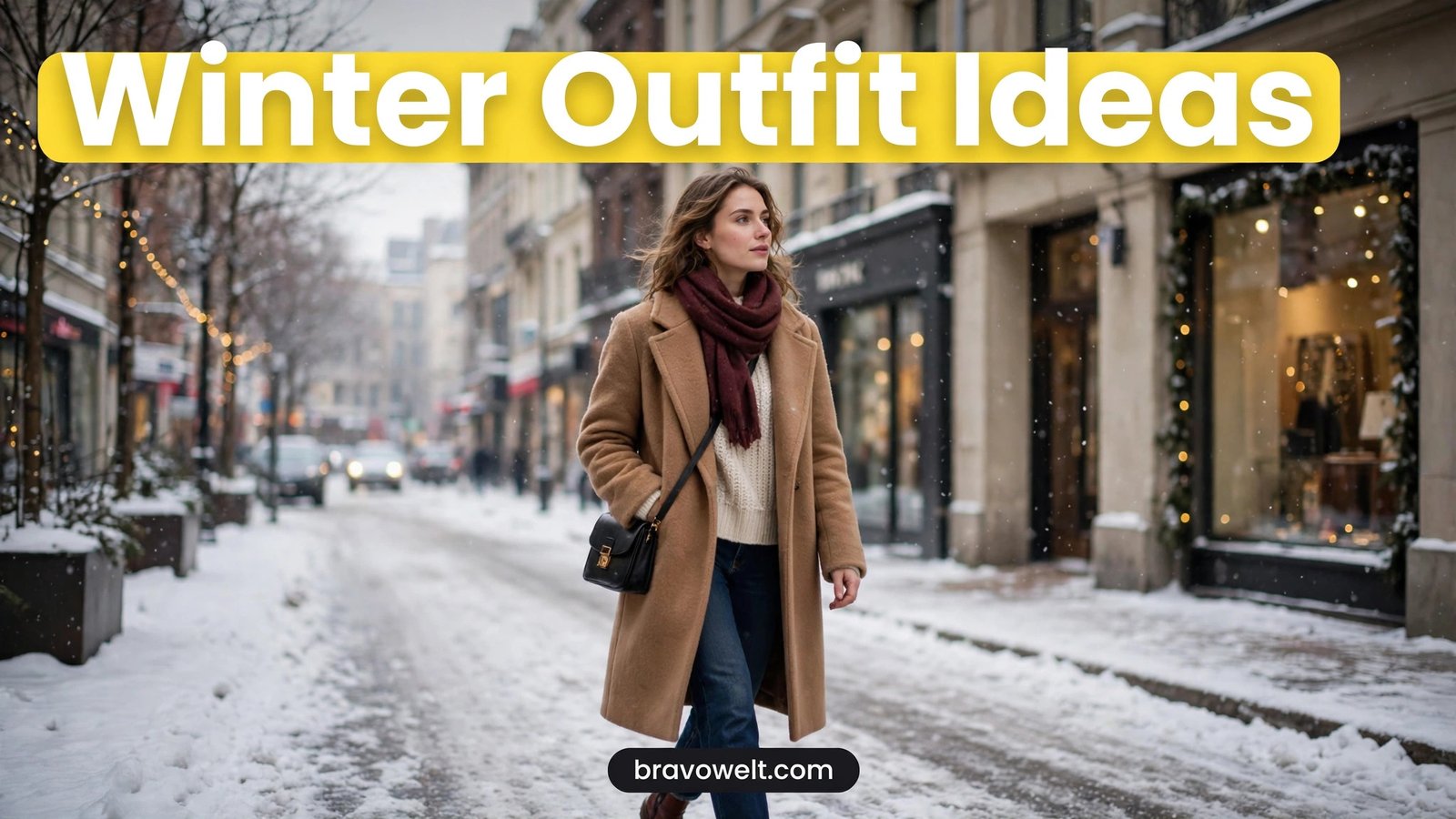
A tailored wool coat is the smartest of the best winter coats for work, because it looks polished over office clothes without looking sporty. A single-breasted wool coat in navy, charcoal or camel works with trousers, dresses and knitwear, and it stays in style for years. Wool is warm in cool, dry weather, though it struggles in heavy rain, so check the forecast or carry an umbrella. Look for a coat with a little structure in the shoulders and a clean, simple cut, because fussy details date quickly. The length should cover a suit jacket, and the sleeves should reach your wrist bone. A belted wrap coat is a flexible alternative: it adjusts to different layers underneath, and the belt gives it shape. Wool coats need care, so budget for dry cleaning and store the coat on a wide hanger. A good wool coat costs more than a puffer, but it earns its price by making everything underneath it look better.
Best Winter Coats for Wet and Windy Weather
Rain and wind change the rules completely, and a waterproof parka is the only sensible choice for wet winters. The best winter coats for wet weather have a waterproof outer shell, sealed seams, and a storm flap over the zip, because water finds every gap. Look for a hood that adjusts around your face, cuffs that seal at the wrist, and a longer cut that covers your hips. The North Face Arctic Parka is a well-known example of a waterproof winter parka built for cold, wet conditions. Insulation matters just as much as waterproofing: a shell with no insulation will keep you dry but cold, so choose a parka with down or synthetic fill. A parka is heavier and less elegant than a wool coat, but on a wet, windy day it is the coat that keeps you comfortable.
Best Winter Coats on a Budget
You do not need to spend a fortune to stay warm. The best winter coats on a budget come from brands that focus on value rather than luxury. Uniqlo long down coats are the best value under about 150 dollars, with good warmth and a clean, simple design that works for most people. Lands’ End is the best budget pick if you need petite, plus or tall sizing, and its coats are known for lasting well. L.L.Bean makes a warm Ultrawarm Coat that is hard to beat for the price. When shopping on a budget, check the fill and the fabric rather than the brand name: a coat with a high proportion of down or a good synthetic fill will be warmer than a fashionable coat with thin padding. Buy at the end of the season if you can, when prices drop, and check the seams and zips before you buy, because cheap coats often fail at the zip first. A budget coat that fits well and keeps you warm will serve you far better than an expensive coat that does not.
Best Winter Coats: Getting the Fit Right
Fit is the single most important factor, and it is also the easiest to get wrong. The best winter coats fit differently from a light jacket: you need room for a sweater underneath, but not so much room that cold air circulates inside. Your shoulders should sit exactly on your shoulder line, and the coat should close comfortably over your thickest layer. Try the coat on with the clothes you will actually wear under it, not with a thin T-shirt. Check that you can raise your arms and sit down without the coat pulling tight. The sleeves should cover your wrists when your arms hang down, and the hood should fit over a hat or a scarf. Remember that sizes vary between brands, so a medium in one brand might feel like a large in another. A good fit feels comfortable the moment you put the coat on, with no breaking-in period needed.
Best Winter Coats: Mistakes to Avoid
The most common mistake is buying a coat for how it looks in the shop instead of how it performs outside. A stylish coat that leaves you shivering is a bad buy, however good it looks. The second mistake is ignoring the weather where you live: a light wool coat is wrong for a city with freezing rain, and a heavy expedition parka is overkill for a mild winter. The third mistake is buying the wrong size, usually too small, because you tried it on over a thin top. The fourth is forgetting about care: a coat that needs dry cleaning after every wear will cost more than you think, and coffee stains on a light-coloured coat are hard to remove, so choose a colour you can live with. Buy the coat that matches your winter, your budget and the clothes you already own, and do not forget that good running shoes matter just as much as a good coat when the pavements are icy. A warm coat and sensible shoes will carry you through the coldest months in comfort.
The best winter coats are the ones that match your winter: a long puffer for cold commutes, a tailored wool coat for work, a waterproof parka for wet weather, and a good-value coat if money is tight. Check the warmth, the fit and the weatherproofing before you buy, and try the coat on over your thickest sweater. With the right coat, winter stops being something to endure and starts being a season you can enjoy.