Designer shoes sit at the point where footwear, fashion, craftsmanship, comfort, and personal style meet. Unlike ordinary footwear bought mainly for practical use, designer shoes are often created around a recognizable design language, premium materials, specialist construction, distinctive silhouettes, and the identity of a luxury fashion house. That does not automatically mean every expensive pair is better for every buyer, which is why knowing what you are paying for matters.
The footwear market in 2026 gives shoppers more choices than ever. Luxury sneakers sit beside traditional leather loafers, ballet flats have returned to everyday wardrobes, refined pumps remain important for formal dressing, and premium boots now range from understated classics to bold runway shapes. At the same time, online shopping and resale marketplaces have made designer shoes easier to access while also making sizing, authenticity, condition, and seller credibility more important.
This guide explains luxury footwear from the ground up. You will learn how premium shoes differ from mass-market pairs, which styles work for different needs, how women’s and men’s luxury footwear should fit, what materials matter, which brands are known for particular styles, how to identify genuine pairs, and how to care for an expensive purchase properly.
The goal is simple: by the end, even a first-time luxury footwear buyer should know what to choose, what to avoid, and how to judge whether a pair offers genuine value.
What Are Designer Shoes?
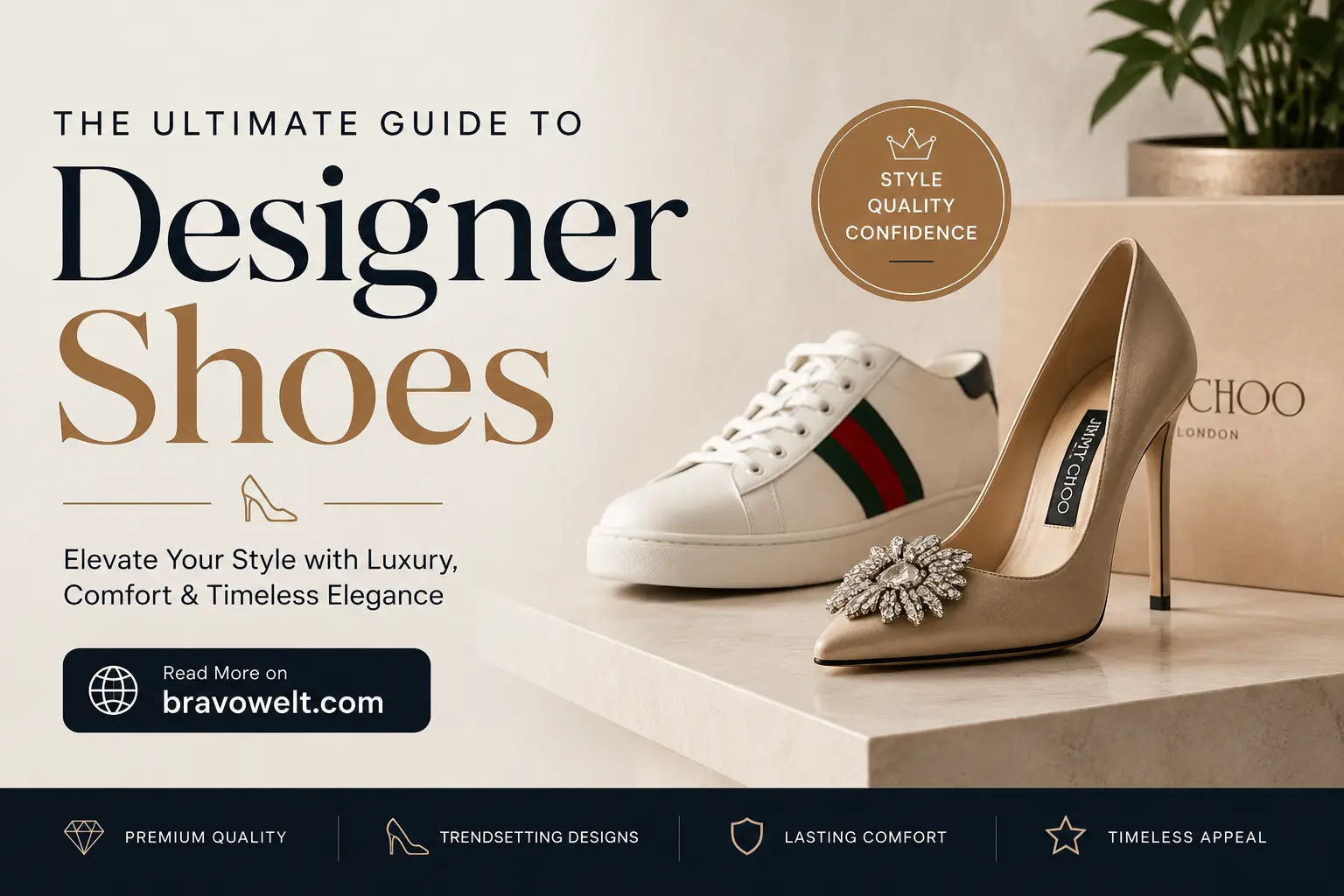
Designer footwear is created and sold by established fashion houses, specialist luxury footwear labels, or recognized designers whose name, design language, craftsmanship, and brand identity form part of the product’s value. The category includes everything from luxury heels and Italian loafers to premium sneakers, sandals, boots, mules, ballet flats, and formal dress shoes.
Price alone does not define luxury footwear. A high retail price can come from brand prestige, materials, manufacturing location, specialized construction, limited production, complex embellishment, marketing, or a combination of these factors. A knowledgeable buyer therefore looks beyond the logo.
Common characteristics of premium footwear include:
- Full-grain or high-grade calfskin leather
- Lambskin, suede, patent leather, satin, canvas, or premium textiles
- Better-shaped lasts used to form the shoe
- More controlled stitching and finishing
- Custom hardware and branded components
- Carefully designed proportions
- Recognizable silhouettes
- Higher-quality linings and insoles
- Detailed sole construction
- Stronger attention to finishing
Does a famous label automatically mean superior quality? No. Brand recognition can contribute significantly to the price. Construction quality, comfort, materials, and durability still vary between brands and even between different models from the same fashion house.
This is why buyers should judge the actual shoe rather than assuming the highest price always represents the highest craftsmanship.
Why Designer Shoes Are Popular in 2026
Luxury footwear has remained popular because shoes can change the appearance of an outfit without requiring an entirely new wardrobe. A simple outfit paired with refined loafers, sculptural heels, premium leather boots, or recognizable luxury sneakers can immediately appear more intentional.
Another reason is the growing preference for fewer but more versatile wardrobe pieces. Some shoppers are moving away from constantly replacing inexpensive footwear and instead choosing well-made shoes they expect to wear repeatedly. Classic loafers, leather pumps, minimal sneakers, ballet flats, and ankle boots work especially well with this approach.
Social media and celebrity styling continue to influence demand, but the 2026 market is broader than logo-driven fashion. Understated luxury, refined materials, recognizable shapes, archival designs, unusual proportions, collaboration sneakers, and heritage footwear are all attracting attention.
Buyers are also more informed. They increasingly ask questions such as:
- Is the upper genuine leather?
- Where was the pair manufactured?
- Can the sole be repaired?
- Does the brand run small?
- Is the style comfortable enough for regular wear?
- Will the design look dated quickly?
- Is the seller authorized?
- Does the pair hold value on the resale market?
That shift matters. Luxury footwear today is judged by style and status, but also by practicality, authenticity, fit, versatility, and long-term use.
Different Types of Designer Shoes
Luxury footwear includes far more than high heels. Understanding each category makes shopping easier because the construction, fit, comfort, and ideal use can differ considerably.
Luxury sneakers combine premium fashion with casual footwear. Options range from clean leather tennis-inspired silhouettes to oversized, technical, distressed, platform, and collaboration models. They work especially well for casual wardrobes and travel when comfort is a priority.
Designer heels and pumps include stilettos, kitten heels, block heels, slingbacks, pointed pumps, peep toes, platforms, and sculptural heels. Heel height and toe shape have a major impact on comfort.
Luxury loafers are among the most versatile options. Horsebit loafers, penny loafers, chunky soles, backless versions, and soft leather constructions can work with tailoring, denim, dresses, and smart casual outfits.
Ballet flats have become an important fashion category again. Classic rounded flats now sit alongside square-toe, pointed, mesh, Mary Jane, slingback, and embellished interpretations.
Luxury boots include ankle boots, riding boots, knee-high boots, Chelsea boots, biker styles, western-inspired shapes, and sleek heeled boots.
Designer sandals can range from simple leather slides to strappy evening shoes, platform sandals, flip-flop-inspired luxury styles, and embellished occasion footwear.
Mules have an open back and may be flat or heeled. They provide easy styling but require the correct fit because there is less structure holding the heel.
For men, luxury footwear also includes Oxfords, Derbies, monk straps, dress boots, driving shoes, formal loafers, premium sneakers, and minimalist leather shoes.
The right category should match your lifestyle before it matches a trend. A beautiful pair that does not suit your daily routine usually receives little wear.
Best Designer Shoes for Women
The best women’s luxury footwear depends on what the buyer actually needs. There is no single silhouette that suits every wardrobe, foot shape, climate, or occasion.
For maximum versatility, leather loafers are difficult to beat. They can work with trousers, jeans, skirts, dresses, and workwear. A medium-weight sole is usually easier to style across seasons than an extremely chunky platform.
Ballet flats are useful for shoppers who prefer feminine footwear without significant heel height. Mary Jane flats, almond-toe ballerinas, and soft leather designs can transition between casual and dressier outfits.
For professional wardrobes, pumps and slingbacks remain strong choices. A moderate heel is usually easier to wear throughout the day than an extreme stiletto. Block heels can add stability, while slingbacks may reduce pressure around the back of the foot.
Luxury sneakers suit women who prioritize everyday wear. Minimal white or neutral leather sneakers usually offer better outfit versatility, while statement sneakers work well for shoppers who want footwear to become the focal point.
Ankle boots are another worthwhile category because they work across multiple seasons. Black, brown, burgundy, and other deep neutrals typically provide more styling options than highly decorative finishes.
When choosing women’s luxury footwear, pay attention to:
- Toe-box width
- Heel stability
- Arch position
- Instep pressure
- Strap placement
- Sole flexibility
- Interior seams
- Material stiffness
- Amount of expected break-in
A fashionable pair should still allow natural walking. Pain should never be treated as proof that an expensive shoe needs to be “earned.”
Best Designer Shoes for Men
Men’s luxury footwear can be divided into formal, smart casual, and casual categories. The best starting point is usually a style that can serve more than one situation.
Leather loafers are among the strongest choices for versatility. A clean penny or horsebit loafer can be worn with tailored trousers, chinos, denim, or relaxed summer clothing. Black feels more formal, while brown and dark burgundy often offer broader casual use.
Premium leather sneakers are useful for modern everyday wardrobes. Clean construction and restrained branding can allow them to work with jeans, trousers, knitwear, and some relaxed tailoring.
For formal settings, Oxfords remain one of the most traditional choices. Their closed-lacing construction creates a clean appearance that works particularly well with suits and formal business clothing.
Derby shoes are slightly more relaxed and can be easier for some foot shapes because of their open-lacing structure. They bridge formal and smart casual dressing effectively.
Chelsea boots and refined ankle boots are useful in cooler weather, while driving shoes and lightweight loafers suit warmer conditions.
Men should pay close attention to the last, which is the form around which the shoe is constructed. Two pairs with the same printed size can fit very differently if one last is narrow and elongated while another is round and generous.
Quality men’s footwear should feel secure at the heel, comfortable through the widest part of the foot, and long enough to prevent toe pressure.
Top Designer Shoes Brands to Know in 2026
Different luxury brands are known for different footwear identities, which is why shopping by reputation alone can be misleading. A fashion house celebrated for handbags may not necessarily make the ideal shoe for your needs.
Christian Louboutin remains strongly associated with red-soled heels, pumps, evening footwear, and statement styles. The visual identity is instantly recognizable, but fit should be checked carefully because pointed and high-heeled designs can feel narrow on some feet.
Gucci has a long connection with loafers, particularly horsebit styles. Its footwear range also includes sneakers, heels, sandals, platforms, and boots.
Prada combines classic footwear with modern experimentation. Loafers, sleek pumps, sandals, boots, and fashion sneakers regularly form part of its collections.
Dior offers a broad luxury footwear range that includes pumps, slingbacks, sandals, sneakers, flats, and boots, often incorporating recognizable house motifs.
Jimmy Choo is widely associated with occasion shoes, elegant pumps, bridal footwear, sandals, and glamorous evening styles.
Manolo Blahnik is known particularly for refined pumps, elegant heels, decorative details, and sophisticated silhouettes.
Miu Miu has remained influential in fashion-forward flats, loafers, sneakers, and playful feminine footwear.
Bottega Veneta is known for refined leather goods and distinctive contemporary shapes, including mules, sandals, boots, and sculptural footwear.
Saint Laurent regularly offers sharp boots, pumps, heels, loafers, and sleek shoes that fit a sophisticated, often minimalist wardrobe.
For men, brands such as John Lobb and Berluti are associated strongly with high-end traditional footwear and leather craftsmanship, while major fashion houses including Gucci, Prada, Dior, and Louis Vuitton combine formal styles with luxury sneakers and contemporary footwear.
Rather than asking, “Which luxury brand is best?” ask, “Which brand is strongest for the kind of shoe I need?”
How to Choose the Right Designer Shoes
Start with intended use. Buying footwear because it looks impressive on a product page is one of the easiest ways to overspend.
Ask yourself where you expect to wear the pair. Daily footwear needs different qualities from a wedding shoe or collector sneaker.
A useful buying checklist includes:
- Purpose: work, formal events, casual wear, travel, evening use, or collecting
- Frequency: occasional or weekly use
- Climate: hot, wet, cold, or mixed weather
- Walking: short distances or extended walking
- Wardrobe compatibility: how many outfits match the shoe
- Material: leather, suede, fabric, patent, canvas, or technical textile
- Fit: length, width, heel hold, toe space, and instep
- Maintenance: how much care the material requires
- Repairability: whether heels, soles, or other components can reasonably be serviced
- Return policy: especially important when ordering online
What should a first-time luxury buyer prioritize? Versatility, comfortable fit, durable material, and a color you already wear frequently are usually more important than choosing the season’s most dramatic trend.
Cost per wear is another useful way to think about value. An $800 pair worn 100 times effectively receives far more use than a $500 pair worn only twice.
Designer Shoes for Different Occasions
The correct footwear should complement the setting rather than compete with it.
For office environments, loafers, pumps, slingbacks, polished leather shoes, Oxfords, Derbies, and understated ankle boots are reliable options. Comfort matters because workdays can involve standing, commuting, and walking.
For weddings, elegant pumps, embellished sandals, refined slingbacks, kitten heels, and polished formal shoes work well. Consider the surface of the venue. Thin stilettos may sink into grass, while heavily structured shoes can become uncomfortable during long events.
For casual weekends, luxury sneakers, ballet flats, loafers, sandals, and relaxed boots provide more practical options.
For evening events, satin, patent leather, metallic finishes, crystals, sculptural heels, and sleek dark leather can create a more formal appearance.
For travel, comfort becomes the priority. Supportive sneakers, soft loafers, or secure flats are usually more practical than rigid new footwear.
For date nights and dinners, footwear can be more expressive because long-distance walking may be limited. Statement heels, mules, sleek boots, or polished loafers can work well.
A smart luxury wardrobe does not require a separate shoe for every occasion. Choosing adaptable silhouettes can cover multiple situations.
How Designer Shoes Should Fit
Correct fit affects comfort, posture, wear, and the lifespan of the footwear.
The heel should feel secure without aggressive rubbing. Slight movement can occur in certain loafers or pumps, but excessive heel slip usually means the fit or shape is wrong.
Your toes should not be forced against the front. Pointed footwear can look narrow externally while still being constructed with hidden length beyond the toes, so visual appearance alone is not enough.
The widest part of the foot should align reasonably with the widest part of the shoe. If the ball of the foot is squeezed aggressively, sizing up may not always solve the issue because a wider last may actually be needed.
Should leather shoes feel tight when new? They can feel firm or close-fitting, but they should not cause sharp pain, numbness, or severe pressure. Natural leather may soften slightly with wear, but buyers should not rely on dramatic stretching to correct a bad fit.
Patent leather generally offers less flexibility than soft calfskin or suede. Structured shoes may also require more break-in than lightly constructed footwear.
Try footwear later in the day when feet may be slightly fuller. Use the socks or hosiery you expect to wear with the pair.
Designer Shoes Materials and Craftsmanship
Material choice affects appearance, comfort, maintenance, aging, and durability.
Full-grain leather retains more of the natural surface and can develop character over time. Calfskin is widely used in premium footwear because it can balance softness, strength, and refined appearance.
Lambskin feels exceptionally soft but can be more delicate. It is commonly used where a smooth, luxurious feel is important.
Suede has a soft, textured surface and works particularly well for loafers, boots, sneakers, and casual footwear. It requires protection from water and staining.
Patent leather has a glossy coating and is popular for formal shoes and statement designs. It creates a polished appearance but generally does not stretch or breathe like softer untreated leather.
Satin is common in evening and bridal footwear. It can look elegant but may be vulnerable to staining, abrasion, and moisture.
Premium sneakers may combine leather, suede, mesh, rubber, nylon, canvas, and technical fabrics.
Craftsmanship involves more than the upper material. Look at:
- Stitch consistency
- Edge finishing
- Interior lining
- Insole quality
- Hardware attachment
- Sole alignment
- Heel stability
- Symmetry between both shoes
- Adhesive residue
- Construction around stress points
For traditional dress footwear, methods such as Goodyear welting or Blake stitching may influence structure and potential repairability. Fashion footwear, however, can use many different construction methods, and one technique is not automatically superior for every type of shoe.
For the latest updates and guides, visit our NYU Acceptance Rate.
Comfort and Durability of Designer Shoes
Luxury price and comfort are not the same thing. Some high-fashion footwear prioritizes silhouette, proportion, heel height, or visual impact over all-day wear.
Comfort depends heavily on:
- Foot shape
- Last shape
- Cushioning
- Heel height
- Heel placement
- Toe-box room
- Arch shape
- Flexibility
- Shoe weight
- Lining
- Sole construction
A person with wide feet may find an elegant narrow pump uncomfortable regardless of its price. Someone with a high instep may struggle with certain loafers even if the length is correct.
Durability also varies by category. Heavy leather boots generally face different stresses from satin evening sandals. A delicate pair should not be expected to perform like outdoor footwear.
Does a higher price mean a pair will last longer? Not necessarily. Some expensive products use delicate materials precisely because appearance is the priority. Longevity depends on construction, material, frequency of wear, walking conditions, storage, maintenance, and whether the shoe is appropriate for the environment.
Rotating footwear is one of the simplest ways to extend lifespan. Leather benefits from time to dry naturally between wears, especially after long use.
Designer Shoes Size and Fit Guide
Luxury sizing becomes confusing because shoppers may encounter US, UK, EU, and Italian sizing systems. Conversion charts can help establish a starting point, but they should never be treated as perfect measurements.
A women’s size from one fashion house may fit differently from the same nominal size from another. Even two styles within one brand can differ because the last, toe shape, lining, heel height, and construction are different.
Measure both feet while standing. Foot length should be measured from the back of the heel to the longest toe. Width should also be considered because length alone cannot determine proper fit.
Use the larger foot when the two measurements differ.
When buying online:
- Check the brand-specific size chart
- Read model-specific fit notes
- Identify whether the style runs small or large
- Consider the toe shape
- Check whether half sizes are offered
- Review material flexibility
- Consider your foot width
- Verify the return or exchange policy
Should you size up in pointed heels? Sometimes, but automatically sizing up can create heel slip. A better solution may be a style built on a more suitable last.
Should you size down in loafers? Only when the specific model is known to run large. Loafers need secure heel hold, but an overly small pair can compress the toes and forefoot.
The number printed inside the shoe is only one part of fit. Shape matters just as much.
How to Style Designer Shoes
Successful styling does not require every visible item to carry a luxury logo. In many cases, premium footwear looks more sophisticated when the rest of the outfit is restrained.
Luxury loafers work naturally with straight-leg trousers, denim, pleated pants, skirts, knitwear, and tailored clothing. Socks can create a preppy appearance, while invisible socks create a cleaner warm-weather look.
Ballet flats pair well with cropped trousers, relaxed denim, midi skirts, dresses, and soft tailoring.
Statement heels work best when they are given visual space. A simple dress or monochrome outfit can allow unusual shapes, metallic finishes, or embellishments to stand out.
Minimal leather sneakers can soften formal trousers and structured outerwear while still maintaining a polished appearance.
Chunky sneakers work better when the volume of the footwear is balanced by the rest of the outfit.
Men can pair premium loafers with tailored trousers, chinos, denim, or relaxed suits. Minimal sneakers can modernize smart casual clothing, while Oxfords remain better suited to formal tailoring.
A useful rule is to repeat either the color, texture, or mood of the shoe somewhere else in the outfit without creating an exact match.
Designer Shoes Trends in 2026
Footwear trends in 2026 show a mix of revived classics and more expressive modern shapes. Rather than one single dominant look, consumers are choosing between refined minimalism and statement footwear.
Loafers remain highly relevant, especially heritage-inspired versions, slim profiles, rich leather tones, and updated soles. Their continued popularity comes partly from versatility: they can move between office wear and casual outfits easily.
Ballet flats are still influential, with Mary Jane straps, mesh constructions, leather versions, elongated toes, and decorative details expanding the category.
Mules continue to appear in both flat and heeled forms. Their clean silhouette works particularly well with warm-weather outfits and evening dressing.
Sleek ankle and calf boots are becoming important as wardrobes shift into autumn, while biker-inspired footwear provides a stronger alternative.
Kitten heels remain attractive to shoppers who want elevation without the difficulty of very high stilettos.
Suede has also gained attention across sneakers, loafers, boots, and seasonal footwear because its texture adds depth without relying on loud branding.
Red, deep brown, burgundy, cream, black, and earthy neutrals work well within the current luxury palette, while metallic finishes and unusual details remain important for statement footwear.
The smartest response to trends is selective. Choose a fashionable shape that also works with clothes you already own.
Designer Shoes vs Regular Shoes
The difference between luxury and mass-market footwear is not simply the logo.
Premium footwear may involve more expensive materials, specialized design work, lower-volume manufacturing, elaborate construction, custom hardware, luxury packaging, fashion-house heritage, and tighter control over visual finishing.
Mass-market footwear is usually designed around larger production volumes and broader price accessibility. Modern manufacturing means some affordable pairs can still provide excellent comfort and durability.
The practical differences can be summarized like this:
| Factor | Luxury Footwear | Regular Footwear |
|---|---|---|
| Price | Usually higher | Usually more accessible |
| Materials | Often premium or specialized | Varies widely |
| Brand value | Significant | Usually lower |
| Design | Often distinctive | Often trend or utility focused |
| Production | May involve smaller quantities | Usually higher volume |
| Repairability | Depends on construction | Varies |
| Resale demand | Can be stronger for selected brands | Usually limited |
| Comfort | Highly model dependent | Highly model dependent |
| Exclusivity | Usually greater | Usually lower |
Neither category automatically wins every comparison.
An inexpensive walking shoe may outperform a luxury stiletto for comfort. A well-built premium leather loafer may outperform a cheap fashion loafer for long-term use.
The correct comparison should always be based on intended use.
Are Designer Shoes Worth the Price?
They can be, but value is personal.
A buyer who regularly wears loafers may get excellent value from one premium pair worn several times per week. Someone who buys a dramatic pair of heels that remains untouched in a closet may receive very little practical value regardless of craftsmanship.
Consider four forms of value.
Functional value covers comfort, durability, and usefulness.
Aesthetic value comes from design, materials, proportions, and how strongly the wearer enjoys the appearance.
Emotional value can come from owning a special item, celebrating an achievement, or collecting fashion.
Resale value applies to selected brands and sought-after models, but it should never be assumed. Condition, size, demand, rarity, season, packaging, and authenticity all affect resale prices.
Before purchasing, calculate how often you realistically expect to wear the pair.
A classic neutral loafer, pump, sneaker, or boot may provide stronger cost per wear than a highly seasonal statement shoe.
Luxury footwear is worth the price when the combination of fit, quality, design, usage, and personal enjoyment justifies the cost for the individual buyer.
How to Spot Authentic Designer Shoes
Counterfeit footwear can imitate logos and packaging surprisingly well, so no single feature should be used as absolute proof of authenticity.
Start with the seller.
An official boutique, brand website, authorized department store, or established luxury retailer generally provides a lower-risk buying environment than an unknown marketplace seller.
For pre-owned footwear, assess the entire product rather than focusing only on the logo.
Check the following:
- Branding and spelling
- Logo proportions
- Insole stamping
- Size markings
- Country-of-origin information
- Stitch consistency
- Material quality
- Hardware
- Sole construction
- Pattern alignment
- Interior finishing
- Packaging
- Product codes where applicable
- Seller history
- Original purchase evidence where available
Can a box prove authenticity? No. Boxes, dust bags, receipts, and shopping bags can be copied or separated from genuine products.
Can low price prove a shoe is fake? No, but an unrealistic price should increase caution. Genuine pre-owned footwear can sell cheaply because of wear, unpopular sizing, missing packaging, or low demand. Price should therefore be treated as one signal rather than final proof.
Look closely at construction. Uneven stitching, poorly aligned panels, obvious excess glue, cheap-feeling hardware, incorrect typography, or inconsistent markings can indicate a problem.
However, authentic products are manufactured objects and may still show minor variation. Internet myths claiming every genuine pair must have perfectly identical stitching or a specific packaging detail can be unreliable because production changes over time.
For expensive pre-owned purchases, professional authentication can be worthwhile.
How to Care for Designer Shoes
Good care protects appearance and can reduce premature damage.
After wearing leather footwear, remove surface dirt with a soft cloth or brush. Allow the pair to dry naturally before storage, particularly if the interior has become warm or damp.
Shoe trees can help leather shoes retain shape and absorb some moisture. Cedar versions are commonly used for structured leather footwear.
For smooth leather, use products suitable for the specific finish. Conditioner can help prevent excessive dryness, while polish may restore color and surface appearance.
Suede requires a different approach. Use a dedicated suede brush and appropriate protective treatment. Avoid applying ordinary leather cream to suede.
Patent leather should be wiped gently with a soft cloth and stored away from surfaces that could transfer color.
Satin and embellished footwear need careful handling because aggressive cleaning can damage the fabric, adhesive, crystals, embroidery, or decorative finishes.
Important habits include:
- Avoid wearing delicate leather in heavy rain
- Do not place wet shoes beside intense heat
- Allow pairs to rest between wears
- Use dust bags during storage
- Keep shoes away from prolonged direct sunlight
- Address damaged heel tips early
- Repair worn soles before structural damage develops
- Clean stains promptly using material-appropriate methods
A cobbler familiar with premium footwear can replace heel tips, add protective soles, perform some stitching repairs, and restore certain leather finishes.
Preventive maintenance is generally easier than repairing severe damage.
Where to Buy Designer Shoes
The safest buying options are official boutiques, brand-operated online stores, established department stores, authorized luxury retailers, and reputable resale platforms with clear authentication procedures.
Buying directly from the fashion house offers the greatest certainty about product origin and usually provides access to current collections, official packaging, and brand-specific customer support.
Department stores and established multi-brand retailers are useful when comparing several labels in one place. They may also provide more convenient return processes.
Authorized boutiques can offer curated selections and sometimes carry products or sizes that are difficult to locate elsewhere.
The resale market can provide discontinued models, past-season footwear, collectible releases, and lower prices. However, authentication and condition become much more important.
Before ordering from an unfamiliar retailer, check:
- Clear company information
- Customer service details
- Return conditions
- Payment security
- Product descriptions
- Authenticity policies
- Detailed product photography
- Sizing information
- Shipping terms
- Condition grading for pre-owned items
Be cautious when a website uses copied images, vague descriptions, permanent extreme discounts, poor contact information, or pressure-based countdown messages.
Where is the safest place for a beginner to buy luxury footwear? An official brand store or recognized authorized retailer is usually the simplest starting point because product origin is clearer and exchanges are easier if the size is wrong.
For a first purchase, buying security and return flexibility can be more valuable than saving a small amount from an unknown seller.
FAQs
Is Luxury Footwear Always Made by Hand?
No. Luxury production ranges from highly manual construction to modern factory-assisted manufacturing. A premium price does not automatically mean every stage was completed by hand. Materials, design development, finishing, construction complexity, manufacturing location, brand positioning, and production scale can all contribute to price.
Why Are Luxury Shoes So Expensive?
The retail price may reflect premium materials, design development, specialist manufacturing, marketing, distribution, retail locations, packaging, brand heritage, lower production volumes, and exclusivity. The contribution of each factor differs by brand and product.
Are Luxury Shoes More Comfortable?
Sometimes, but not automatically. Comfort depends on foot shape, shoe shape, heel height, padding, width, flexibility, arch position, and intended use. A luxury stiletto is designed for a different purpose from a supportive walking sneaker.
How Long Should Premium Footwear Last?
There is no fixed lifespan. A well-maintained leather loafer worn in suitable conditions can last for years, while a delicate satin evening shoe may show wear much sooner. Frequency, walking surface, weather, storage, maintenance, and construction all affect longevity.
What Is the Best Luxury Shoe for a First-Time Buyer?
A versatile style usually makes the most sense. Neutral leather loafers, minimal sneakers, moderate pumps, or classic ankle boots can work with many outfits and provide better cost per wear than a highly specialized statement pair.
Should I Buy Luxury Shoes True to Size?
Use your usual size only as a starting point. Luxury brands use different lasts and sizing conventions. Check foot length, width, brand-specific measurements, model fit information, toe shape, material, and the retailer’s exchange policy before ordering.
Do Expensive Leather Shoes Stretch?
Some natural leather can soften and relax slightly, particularly soft calfskin or lambskin. Suede may also become more accommodating. Patent leather and heavily structured materials generally provide less give. A painful shoe should never be purchased with the assumption that it will eventually stretch enough.
Which Material Is Best for Everyday Luxury Footwear?
Smooth calfskin leather is one of the most practical choices because it balances appearance, durability, maintenance, and versatility. Suede looks refined but requires more weather protection. Patent and satin are often better reserved for more controlled conditions.
Can Luxury Shoes Be Repaired?
Many can. Heel tips, certain soles, stitching, leather surfaces, and some hardware can sometimes be repaired. Repairability depends on construction and damage. Having minor wear addressed early can prevent more serious deterioration.
Are Pre-Owned Luxury Shoes Worth Buying?
They can offer strong value when condition, authenticity, fit, and price are appropriate. Examine sole wear, heel wear, interior condition, stretching, odor, structural damage, repairs, and authenticity before purchasing. Rarely worn past-season pairs can sometimes provide excellent value.
How Can I Avoid Fake Luxury Footwear Online?
Prioritize reputable sellers, examine product photos carefully, verify branding and construction details, compare model information, review seller policies, and be cautious about prices that seem unrealistic. For expensive resale purchases, third-party professional authentication can add another layer of protection.
Which Luxury Footwear Styles Stay Fashionable Longest?
Classic loafers, simple leather pumps, elegant slingbacks, minimal sneakers, Chelsea boots, ballet flats, Oxfords, and refined ankle boots tend to move through fashion cycles more easily than highly experimental shapes. Colors such as black, brown, cream, tan, and burgundy also tend to offer long-term versatility.
Conclusion
Designer shoes can be a worthwhile part of a wardrobe when they are purchased for the right reasons. The logo matters far less than the complete combination of fit, materials, construction, comfort, versatility, authenticity, and how often the footwear will actually be worn.
A first-time buyer should begin with lifestyle and foot shape rather than trends. Measure your feet, study the specific model, choose materials that suit your routine, consider how the pair will be maintained, and buy from a seller you trust. For expensive purchases, checking authenticity and return conditions before payment is far easier than trying to solve a problem afterward.
The strongest luxury footwear purchase is not necessarily the newest, most recognizable, or most expensive pair. It is the one that fits correctly, works naturally with your wardrobe, suits the occasions you attend, and continues to feel worth owning long after the initial excitement of buying it has passed.
For the latest updates and guides, visit our Frozen Shoulder.