Free online courses have changed who gets to learn new skills. A decade ago, learning to code, speak a new language, or understand business meant paying for classes or going back to school. Today, the best universities and companies in the world publish full courses online for free, and anyone with an internet connection can take them. The trick is knowing which courses are truly free, which platforms are worth your time, and how to finish what you start. This guide covers the best free online courses, where to find them, and how to turn free lessons into real skills.
Table of Contents
Free Online Courses: Where to Start
The best place to start is with the big platforms. Coursera hosts courses from Stanford, Yale, Google, and IBM, and most courses can be audited for free, which means you watch the videos and read the materials without paying. edX offers courses from Harvard and MIT, including the famous CS50 introduction to computer science, with a free audit track. Khan Academy is completely free, with no paywall anywhere, and it covers math, science, economics, test prep, and computing. A guide to the best free online short courses compares twelve platforms by how much content is genuinely free, and it is a useful starting point before you sign up anywhere. Start with one platform and one course, and learn how it works before you collect a dozen half-finished enrollments. A roundup of 25 free online learning platforms covers Coursera, edX, and Khan Academy in one place, so you can compare them side by side. Pick the platform that fits your subject, and ignore the rest until you need them.
Free Online Courses for Career Skills
Career skills are the most popular reason people take free online courses. Google offers free IT support and data analytics courses on Coursera, and they are designed to prepare you for entry-level jobs. Harvard’s CS50 teaches programming from scratch and is one of the most respected free courses in the world. For business skills, look for free courses in project management, digital marketing, and data analysis from universities and companies. LinkedIn Learning offers a free month, and many public libraries give members free access to it all year. Before paying for a degree, look at the NYU acceptance rate to see how competitive top schools can be, and remember that a free course from the same university can teach you the same material. Employers care about what you can do, not where you paid to learn it, so build a small portfolio of finished projects to show what you learned. A certificate helps, but a finished project proves the skill.
Free Online Courses for Creative Skills
Creative skills are perfect for free online learning, because you can practice as you go. YouTube has excellent free tutorials for drawing, photography, video editing, and music, though the quality varies, so look for channels with clear structure and good reviews. Creative learners can start with singing lessons, drawing, or photography without spending anything, and many platforms offer free beginner courses in design tools such as Canva and Figma. Skillshare offers free trial periods, and some of its best classes are free to watch. For writing, look for free courses from universities on storytelling, poetry, and screenwriting. For languages, Duolingo is free and works well for daily practice, while YouTube and podcast lessons add listening practice. The key with creative skills is to make something every week, even if it is small. A course you watch without practicing teaches you nothing, but a course you pair with a weekly project builds a real skill.
Free Online Courses for Students and Test Prep
Students get some of the best free online courses of all. Khan Academy is the official SAT prep partner of the College Board, and its SAT course is completely free, with practice tests and personalized study plans. For college subjects, MIT OpenCourseWare publishes full lecture videos and assignments from real MIT classes, free for anyone. For school subjects, Khan Academy covers math from kindergarten through calculus, plus science, history, and economics. For language learners, free courses in Spanish, French, and German are available on Coursera, edX, and Duolingo. For younger students, free coding courses from Code.org and Scratch teach programming through games and stories. The best approach is to match the course to a real goal: an exam, a school subject, or a skill you need next term. A course with a clear goal is far easier to finish than a course you started out of curiosity alone.
Free Online Courses With Certificates: What Is Really Free
The word free means different things on different platforms, and it helps to know the difference before you enroll. On Khan Academy, everything is free, and there are no certificates, because the platform focuses on learning rather than credentials. On Coursera and edX, you can usually audit a course for free, which gives you the videos and readings, but the verified certificate costs money, often 50 to 100 dollars. Some courses offer a free certificate, such as Google’s digital marketing course and Harvard’s CS50, which gives a free certificate from Harvard itself. Coursera also offers financial aid for learners who cannot pay, and the application takes about two weeks to approve. If a certificate matters for your job search, check the price before you start, and look for free certificate options first. If the certificate does not matter, audit the course and spend your time learning instead of paying for a piece of paper.
Free Online Courses: How to Actually Finish One
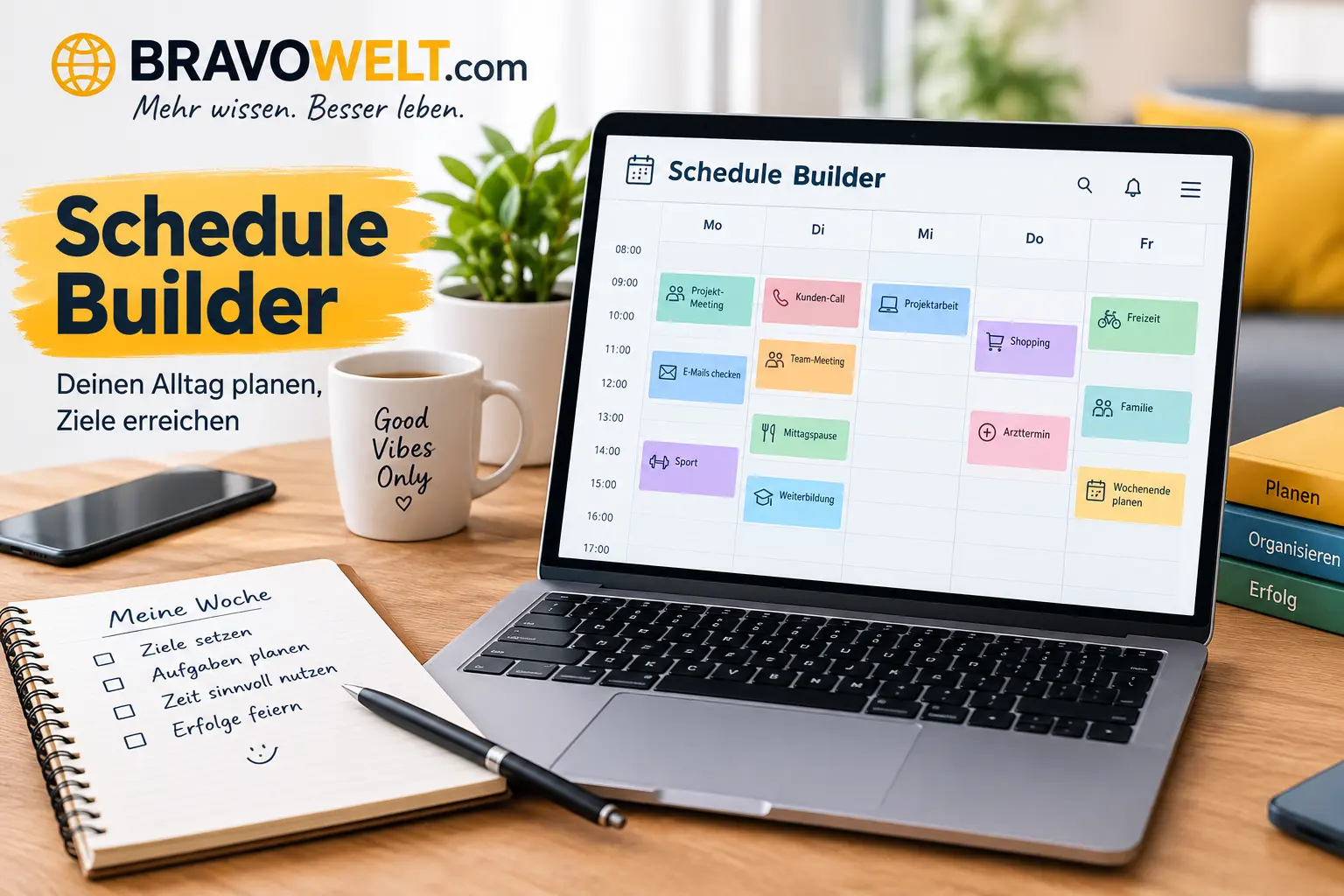
Most people who start free online courses never finish them, and the reason is rarely the course itself. The fix is simple: treat the course like a class with a schedule. Pick a fixed time, even 30 minutes a day, and protect it. Set a deadline for each week, and tell a friend what you are learning, so someone asks how it is going. Break the course into small pieces, and celebrate each one you finish. Take notes by hand, because writing helps you remember far more than watching alone. Do the exercises, even the ones that look easy, because practice is where learning happens. If a course stops working for you, drop it and try another one, but do not collect five half-finished courses at once. One finished course beats ten started ones, and the habit of finishing is a skill in itself. Start small, stay consistent, and let the finished courses pile up.
Free online courses are the cheapest way to change your career, learn a language, or pick up a creative skill. Start with one platform, choose a course with a clear goal, and finish it. Then pick the next one. A year of steady, free learning can teach you more than an expensive course you never open.